🔍 Hub Directory

Intelligence & OSINT Analysis

Open-source intelligence methodologies applied to conflict monitoring, satellite imagery interpretation, and digital network tracing.

Methodology: Verifiable Open-Source Data
Authorship: Verifiable Credentials
Independence: No State Funding
Taxonomy Framework

Hub & Spoke Architecture

Satellite Imagery & Geospatial Intelligence
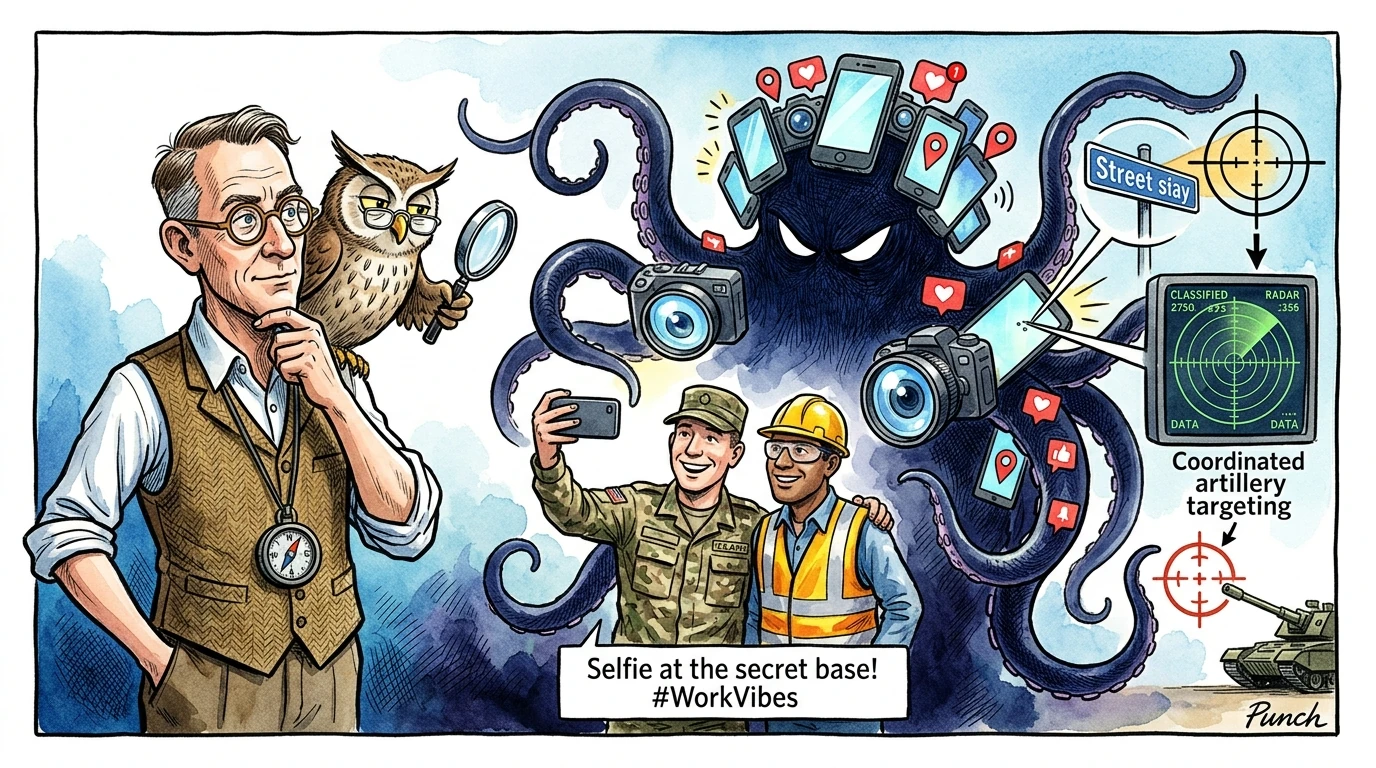
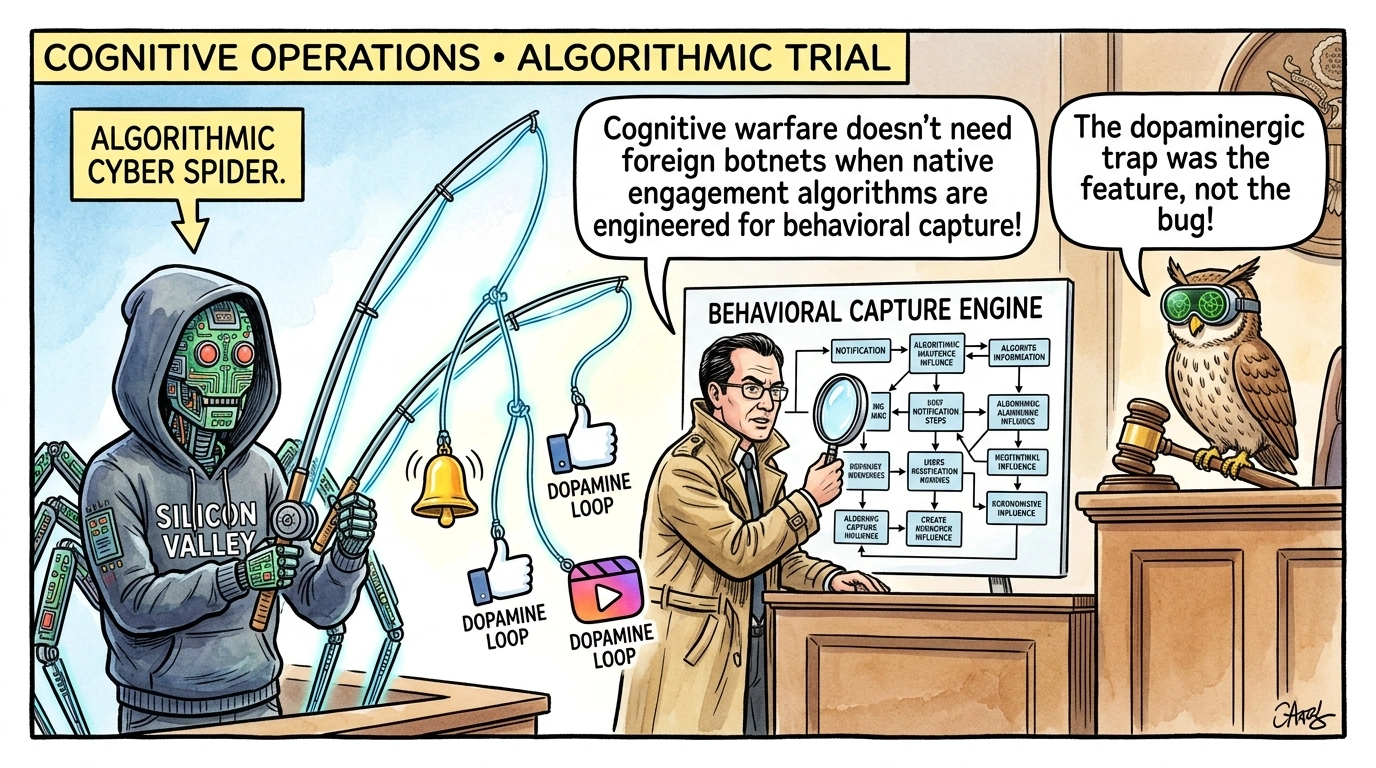
Social Media Intelligence (SOCMINT) Tracking
🔍
Intelligence
Network Tracing & Verification Methodologies
Geopolitical Risk Consulting
Spoke Categories

Sub-Category Indexes

01

Satellite Imagery & Geospatial Intelligence

Interpreting commercial and declassified satellite imagery to verify troop movements, construction projects, and environmental impact of conflicts.

4 Articles Explore spoke →
02

Social Media Intelligence (SOCMINT) Tracking

Techniques for monitoring conflict actors across Telegram, Twitter/X, and dark web forums — with verifiable methodology.

7 Articles Explore spoke →
03

Network Tracing & Verification Methodologies

IP attribution, DNS forensics, persona mapping, and fact-checking frameworks for the digital intelligence analyst.

4 Articles Explore spoke →
Analysis Stream

Recent Intelligence Briefs

Search Intent & Analytical Framework

Topical Intelligence Queries & FAQs

What is Open-Source Intelligence (OSINT) and how is it used in strategic defense?

OSINT encompasses the collection, analysis, and verification of publicly available data—including satellite imagery, flight transponders, trade manifests, and digital signals—to generate actionable geopolitical intelligence.

How does satellite geospatial intelligence (GEOINT) verify troop and naval movements?

High-resolution optical and synthetic aperture radar (SAR) satellites detect changes in military encampments, vessel berths, runway extensions, and fortification construction with sub-meter precision.

How does ICS ensure provenance and integrity in digital open-source investigations?

Every intelligence brief cites primary source URLs, digital timestamps, and peer-reviewed academic DOIs, maintaining full epistemic traceability from raw evidence to final risk assessment.